

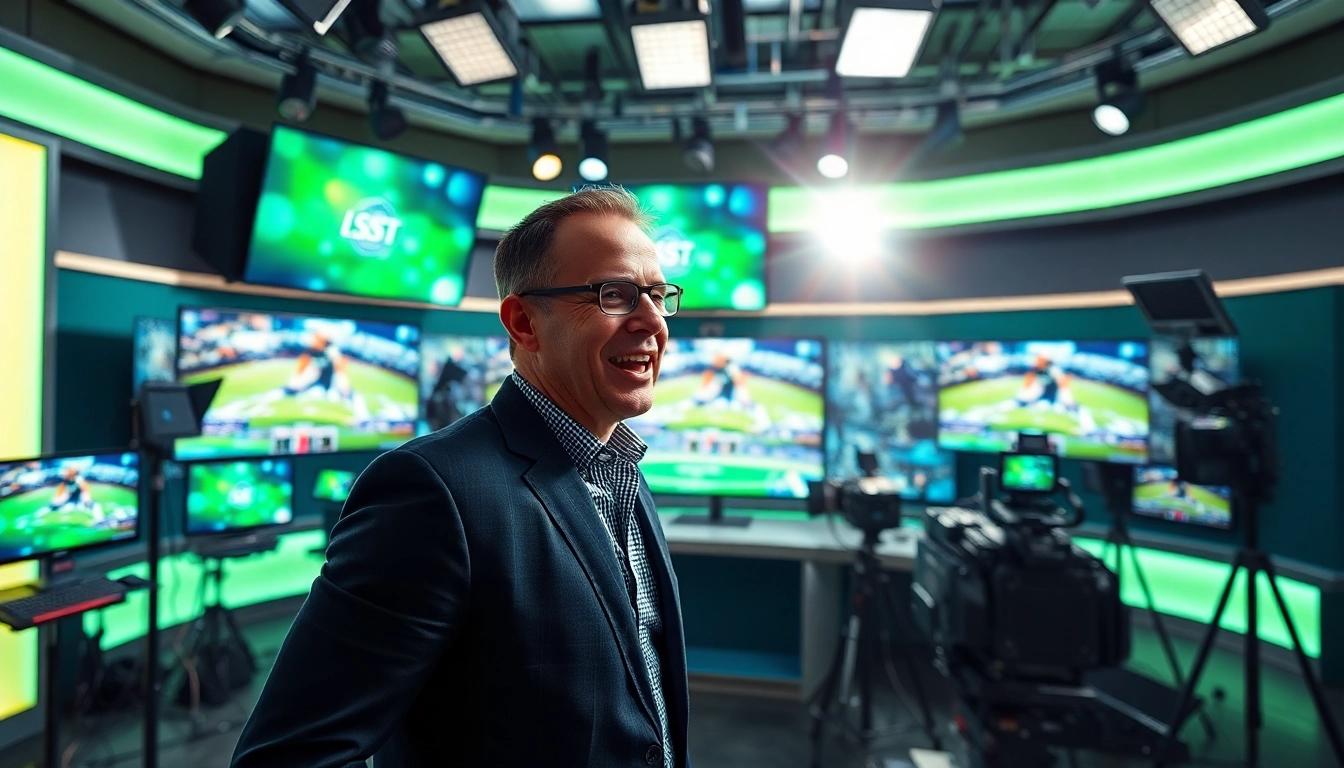
The Fundamentals of Sports Broadcasting
Sports broadcasting is a captivating blend of entertainment, storytelling, and information dissemination that has evolved dramatically over the last few decades. It brings the excitement of live sports directly to fans, whether through traditional television, radio, or online platforms. For those looking to delve into this dynamic field, it’s essential to grasp the basics, which include understanding essential terminology and the various roles involved in creating compelling broadcasts. With the increasing complexity of technology and audience demands, mastering the fundamentals of Sports Broadcasting is more crucial than ever.
Understanding Sports Broadcasting Terminology
Understanding the terminology of sports broadcasting is critical for anyone involved in the field. Some key terms include:
- Play-by-Play: The real-time narration of events during a game.
- Color Commentary: Analysis and insights provided by experts during live broadcasts.
- Teleprompter: A device that displays the script for on-air talent to follow.
- Graphics Package: Visual elements used to enhance storytelling and data presentation.
- Live Shot: A broadcast segment where the host is visible in real-time at the location of the event.
Key Roles in a Sports Broadcasting Team
The creation of a successful sports broadcast involves collaboration among various professionals. Here are some of the key roles:
- Producer: Manages the overall production, coordinating schedules and resources.
- Director: Oversees the visual aspects of the broadcast, making real-time decisions on camera angles and shots.
- Commentators: Present engaging commentary, providing both play-by-play and analysis.
- Cameramen: Capture the action from multiple angles to create a dynamic viewing experience.
- Sound Engineers: Ensure the audio quality is pristine by mixing on-location sounds with commentary.
Essentials of Equipment for Sports Broadcasting
The technical side of sports broadcasting requires a range of specialized equipment to deliver high-quality content. Key equipment includes:
- Cameras: High-definition and specialized cameras for capturing sports action, including slow-motion capability.
- Microphones: Various types, including lavalier, shotgun, and handheld, to capture both commentator dialogue and ambient sounds.
- Mixing Consoles: For sound engineers to balance audio inputs from different sources seamlessly.
- Graphics Software: To create on-screen graphics that enrich the viewer experience with relevant data, scores, and stats.
- Streaming Equipment: For online broadcasts, ensuring a reliable stream for audiences watching via digital platforms.
Techniques for Captivating Sports Broadcasting
Creating captivating sports broadcasts requires a combination of skills, storytelling, and technology. Through effective techniques, broadcasters can engage their audiences and enhance the viewing experience.
Effective Storytelling in Sports Coverage
Effective storytelling is paramount in sports broadcasting. It transforms a simple game into a narrative that resonates with viewers. Broadcasters should focus on:
- Research: Diving deep into players’ backgrounds, team histories, and matchups to provide rich context.
- Emotion: Connecting with the audience by highlighting critical moments, rivalries, and personal stories behind athletes.
- Character Development: Treating players and coaches as multifaceted individuals rather than just athletes to build viewer attachment.
Utilizing Visuals and Graphics
Visual storytelling plays a significant role in engaging audiences. Including the right visuals and graphics can enhance understanding and retention of information. Key strategies include:
- Infographics: Summarizing key statistics and trends about teams and players visually to inform viewers quickly.
- Instant Replays: Using slow-motion and zooming to focus on critical aspects of plays, enhancing analysis.
- Augmented Reality: Integrating 3D graphics to provide viewers with a dynamic way to grasp complex plays.
Managing Live Broadcast Dynamics
Live broadcasting is filled with unpredictability. To manage the dynamics effectively, broadcasters should adhere to the following practices:
- Preparation: Having contingency plans in place for unexpected events, including technical difficulties or delays.
- Communication: Ensuring clear lines of communication between team members for quick decision-making during broadcasts.
- Flexibility: Adapting the broadcast flow as the event unfolds, particularly in fast-paced sports where the action frequently changes.
Best Practices in Sports Broadcasting
Ethical considerations, audience engagement, and the integration of new platforms are fundamental to quality sports broadcasting. Implementing best practices will ensure sustainable success.
Engaging Your Audience Across Platforms
Engagement goes beyond the broadcast; it involves creating a community around the sport. Effective methods include:
- Interactive Polls: Utilizing real-time polls for viewer opinions or predictions during broadcasts to foster participation.
- Q&A Sessions: Hosting live question and answer segments with athletes or commentators to increase interactivity.
- Cross-Platform Content: Sharing content on various social media platforms to reach broader audiences and encourage discussions.
Incorporating Social Media into Broadcasting
Social media has become an indispensable tool in sports broadcasting. Broadcasters should consider the following:
- Real-time Updates: Using social media for live updates and highlights to attract viewers to the broadcast.
- Engagement Strategies: Encouraging hashtags for viewers to share their thoughts and experiences, creating a sense of community.
- Behind-the-scenes Content: Providing exclusive content on social media to draw fans and create excitement around events.
Creating an Inclusive Broadcasting Environment
Diversity and inclusiveness in sports broadcasting enrich narratives and broaden audience appeal. Strategies include:
- Inclusive Language: Utilizing language that was both engaging and respectful to diverse audiences.
- Diverse Casts: Ensuring that various backgrounds are represented among commentators, analysts, and guests.
- Accessible Content: Offering closed captioning and multilingual broadcasts to cater to broader demographics.
Analyzing Audience Metrics in Sports Broadcasting
Evaluating how broadcasts are received is essential for continuous improvement. Analyzing audience metrics provides insights that contribute to strategy refinement.
Understanding Viewer Ratings and Engagement
Ratings are crucial indicators of a broadcast’s success, reflecting how many people are tuning in and for how long. Key metrics include:
- Viewership Numbers: Tracking the average number of viewers for live and recorded broadcasts.
- Demographic Insights: Understanding the age, gender, and preferences of audiences to tailor content.
- Engagement Rates: Measuring how much viewers interact with the broadcast through comments, likes, shares, and polls.
Feedback Mechanisms for Improvement
Harnessing feedback from viewers can propel improvements significantly. Effective feedback mechanisms include:
- Surveys: Conducting post-broadcast surveys to gather viewer opinions on content, delivery, and engagement.
- Social Listening: Monitoring social media conversations for real-time audience reactions and suggestions.
- Focus Groups: Engaging small groups of viewers to discuss their experiences and suggestions for improvement.
Tools for Measuring Broadcasting Success
Various analytical tools can help broadcasters gather and interpret data regarding their broadcasts. These tools include:
- Analytics Software: Utilizing tools like Google Analytics or specialized broadcast metrics platforms to track viewership and demographic data.
- Social Media Analytics: Analyzing engagement metrics across platforms to understand audience behavior and interests.
- Partnership Data: Collaborating with sponsors or platforms to gain deeper insights into viewership trends and preferences.
Future Trends in Sports Broadcasting
The landscape of sports broadcasting continually evolves, driven by technology, audience expectations, and cultural shifts. Staying ahead of these trends is essential for success.
Emerging Technologies Shaping Sports Broadcasting
Technological advancements are transforming how sports are broadcasted. Key emerging technologies include:
- Virtual Reality (VR): Creating immersive experiences for fans, allowing them to feel as if they’re part of the action.
- Artificial Intelligence (AI): Enhancing data analytics and automating certain aspects of production to streamline broadcasting.
- 5G Connectivity: Offering faster and more reliable streaming capabilities, enhancing the viewing experience, especially for mobile users.
The Rise of Interactive Broadcasting
Interactive broadcasting is emerging as a prominent trend. Features include:
- Choose Your Own Commentary: Allowing viewers to select different commentators or analyses to personalize their experience.
- In-game Betting Integration: Incorporating real-time betting features alongside broadcasts to engage a different segment of the audience.
- Viewer Participation: Enabling real-time viewer input to influence aspects of the broadcast, such as replay selections or poll outcomes.
Preparing for Changes in Audience Preferences
As audience preferences shift, broadcasters must be agile in adapting to these changes. Key strategies include:
- Curating Content: Offering tailored content that aligns with the interests and viewing habits of target demographics.
- Fostering Community: Building platforms or forums where fans can discuss broadcasts and interact with commentators and analysts.
- Experimenting with Formats: Exploring innovative show formats such as mini-documentaries or behind-the-scenes content to engage viewers diversely.
FAQs About Sports Broadcasting
What is sports broadcasting?
Sports broadcasting refers to the dissemination of sports-related content via television, radio, or online platforms, including live events, commentary, and analysis.
How can one get into sports broadcasting?
Entering sports broadcasting often requires relevant education, internships, and networking within the industry to build connections and gain practical experience.
What equipment is essential for sports broadcasting?
Key equipment includes high-definition cameras, microphones, mixing consoles, graphics software, and streaming devices to ensure quality content delivery.
Why is audience engagement crucial in sports broadcasting?
Engaging the audience fosters a sense of community, retains viewership, and attracts new fans, ultimately driving the success of broadcasts.
What are the future trends in sports broadcasting?
Future trends include interactive broadcasting, virtual reality experiences, and the integration of artificial intelligence for data analytics in content delivery.