The Evolving Landscape of Glass Machine Manufacturers
The glass manufacturing industry is experiencing rapid transformation driven by innovative technology and increasing demand for efficiency. As a key player in this sector, glass machine manufacturers are at the forefront of these changes, developing machines that not only enhance production capabilities but also prioritize sustainability. With the rise of automation and smart manufacturing, companies are optimizing their processes to meet the evolving needs of consumers and the environment.
Current Trends in Glass Manufacturing Technology
Recent advancements in glass manufacturing technology include the integration of IoT (Internet of Things) solutions, which allow for remote monitoring and maintenance of machinery. These technologies enable real-time data collection, leading to improved decision-making and operational efficiency. Furthermore, manufacturers are increasingly focusing on energy-efficient glass processing techniques, reducing waste and minimizing the environmental impact of production. The trend toward customization is also notable, as consumers seek more tailored solutions in architectural glass and automotive applications.
Impact of Automation on Production Efficiency
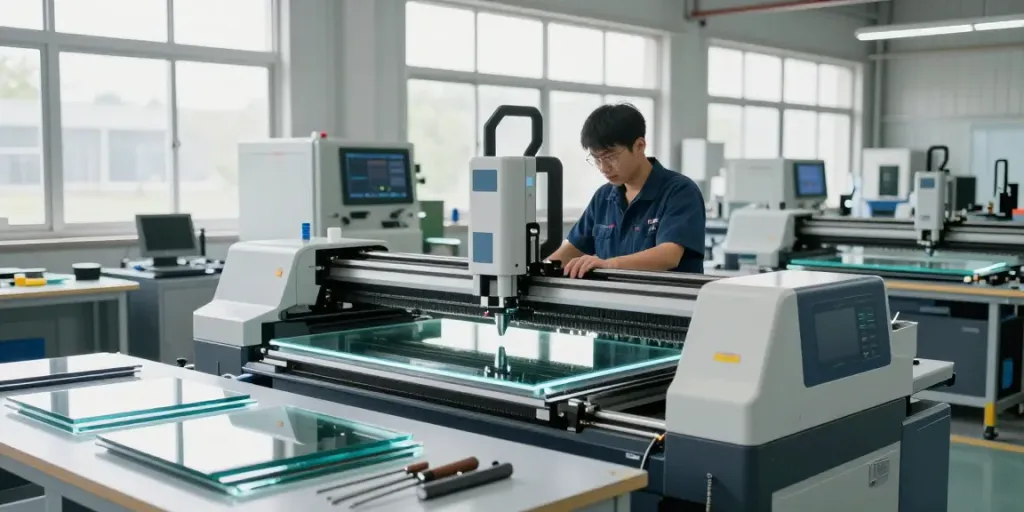
Automation has dramatically increased productivity within the glass manufacturing sector. Automated glass cutting, polishing, and washing machines reduce the time taken for each process while ensuring precision and consistency. For instance, advanced CNC (Computer Numerical Control) machines are now capable of handling complex designs with ease, allowing manufacturers to respond swiftly to market demands. As companies continue to embrace automation, the industry is expected to see significant gains in both output and profitability.
Emerging Materials and Their Applications
The introduction of new materials, such as smart glass and laminated safety glass, is reshaping the landscape of glass manufacturing. Smart glass technologies are increasingly utilized in commercial and residential buildings for energy efficiency, as they can adapt to environmental changes. Laminated glass, on the other hand, offers enhanced safety and is favored in applications such as automotive and architectural design. As these materials gain traction, manufacturers must invest in specialized machines capable of processing them effectively.
Top Glass Machine Manufacturers to Watch in 2026
Leading Innovators in Glass Processing Equipment
As the industry evolves, several glass machine manufacturers are leading the charge in innovation. Companies like Eworld Machinery have established a reputation for producing high-quality glass processing equipment, including insulating glass production lines and advanced edge polishing machines. By focusing on research and development, these manufacturers are refining their products to meet the latest industry standards, ensuring durability and efficiency.
Comparative Analysis of Market Share and Product Offerings
In 2026, the glass machine manufacturing landscape is expected to be more competitive than ever. Leading players will likely include established brands as well as emerging companies that prioritize technology integration into their offerings. A comparative analysis of market shares reveals that manufacturers who offer customizable solutions and after-sales support are gaining a significant competitive edge. As customer needs evolve, focusing on diverse product offerings will be crucial for maintaining market relevance.
Customer Testimonials and Case Studies
Real-world success stories and customer testimonials play a pivotal role in establishing credibility for glass machine manufacturers. For instance, a major architectural firm reported increased production efficiency after integrating Eworld’s glass cutting and laminating machines into their workflow. Such testimonials not only highlight the effectiveness of specific machines but also demonstrate the potential ROI that can be achieved through investment in advanced glass processing technology.
Challenges Faced by Glass Machine Manufacturers
Supply Chain Disruptions and Material Shortages
The COVID-19 pandemic highlighted vulnerabilities in global supply chains, causing significant disruptions for glass machine manufacturers. Material shortages have delayed production timelines and increased costs, leading many companies to reassess their supply chain strategies. Manufacturers are now looking to diversify their sources and invest in local suppliers to mitigate future risks, ensuring a more resilient operational framework.
Environmental Regulations Impacting Production
As environmental concerns grow, regulatory frameworks around emissions and waste management are becoming stricter. Glass machine manufacturers must adapt by investing in cleaner technologies and processes. This not only involves upgrading equipment but also adopting sustainable practices across the production chain. Compliance with regulations can be seen as an opportunity to innovate and enhance market positioning through environmentally-friendly solutions.
Technological Barriers in Adopting New Machines
While technology presents substantial opportunities, it also poses challenges for manufacturers, especially small to mid-sized enterprises. The initial investment required for advanced machinery can be prohibitive. Furthermore, companies may struggle with integrating new technologies into existing processes. To overcome these barriers, manufacturers need to develop comprehensive training programs for their workforce and seek partnerships with technology providers to facilitate smoother transitions.
Best Practices for Selecting Glass Machinery
Evaluating Machine Performance and Reliability
When selecting glass machinery, companies must prioritize performance metrics such as speed, precision, and reliability. Investing in machines that offer robust performance will ultimately lead to higher productivity levels. It is advisable to conduct thorough research, read reviews, and seek demonstrable case studies to gauge machine effectiveness before making a purchase decision.
Cost-Benefit Analysis for Equipment Investment
Conducting a cost-benefit analysis is critical for manufacturers looking to invest in new glass machinery. This assessment should evaluate not only the upfront costs but also the long-term savings and efficiency gains. Factors such as energy consumption, maintenance costs, and potential output should all be included in the analysis to ensure wise investment decisions.
After-Sales Support and Maintenance Considerations
A manufacturer’s reputation for after-sales support can significantly influence purchasing decisions. Companies should ensure that the glass machine manufacturers they choose provide adequate maintenance services and spare parts availability. Strong after-sales support can minimize downtime and extend the lifespan of machinery, ultimately enhancing overall operational efficiency.
Future Outlook for Glass Machine Manufacturers
Predictions for Market Growth and Demand in 2026
The glass manufacturing sector is projected to experience steady growth through 2026, fueled by rising demand across various sectors, including construction, automotive, and consumer goods. As sustainability becomes a priority, manufacturers that can develop eco-friendly processes and products are likely to attract more investment and consumer interest.
Innovations Expected to Change the Industry
Innovations like AI-driven automation and advanced robotics are anticipated to revolutionize the glass manufacturing industry. The future may see the implementation of self-regulating machines that optimize their performance based on predictive analytics. Companies that stay ahead of these technological trends will have a competitive advantage and may redefine industry standards.
Strategies for Staying Competitive in a Global Market
To remain competitive, glass machine manufacturers must adopt strategies that include continuous innovation, investing in R&D, and expanding their global footprint. Building alliances with technology providers and fostering a culture of agility within organizations will be essential in responding to market changes effectively.
Who are the biggest glass manufacturers?
Some of the largest glass manufacturers globally include companies like Saint-Gobain, AGC Glass, and Guardian Industries. These companies have established themselves through significant investments in technology and expansive production capabilities, allowing them to lead the market.
What innovations are shaping the glass manufacturing industry?
Innovations such as smart glass technologies, advanced coatings for energy efficiency, and automated production lines are transforming the glass manufacturing landscape. These advancements are not only improving the quality of glass products but also making production processes more efficient.
What are common challenges for glass machine manufacturers?
Common challenges include supply chain disruptions, adapting to environmental regulations, and the financial burden of adopting new technologies. Manufacturers must navigate these challenges while striving for operational excellence and sustainability.
How much can I expect to invest in glass manufacturing equipment?
The investment required for glass manufacturing equipment can vary widely based on the machinery type and production capacity. Generally, manufacturers should expect to invest anywhere from tens of thousands to several million dollars, depending on their specific needs and production goals.
What trends are likely to dominate the glass industry in 2026?
Trends such as increasing automation, demand for energy-efficient solutions, and the customization of glass products are anticipated to dominate the industry by 2026. Manufacturers who can adapt to these trends will likely thrive in a competitive market.