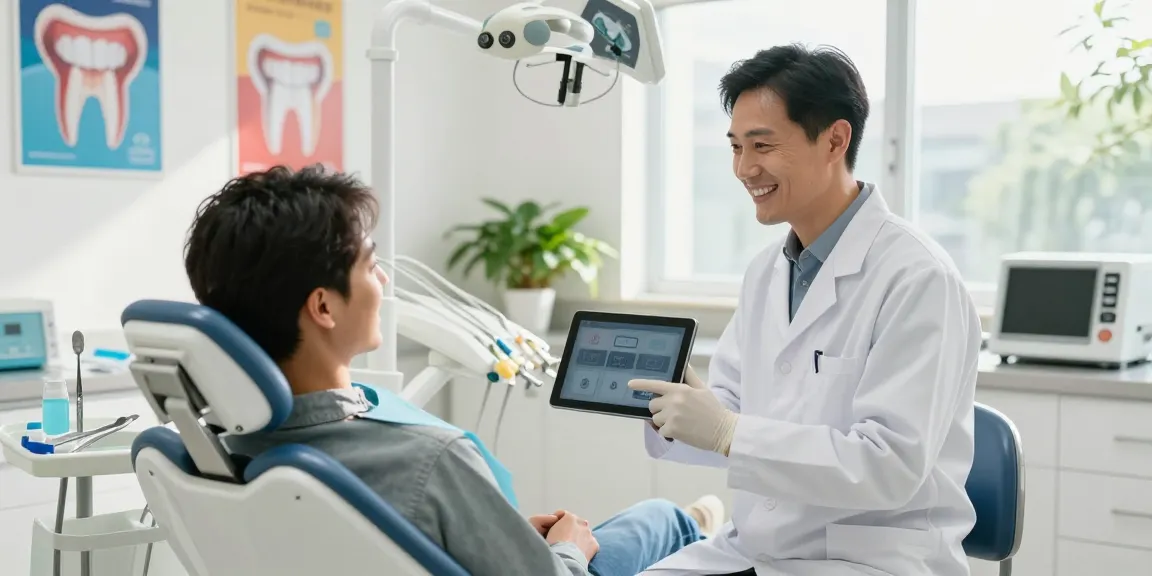
Understanding the Importance of Regular Dental Visits
Maintaining oral health is a cornerstone of overall well-being, and regular visits to the dentist play a pivotal role in achieving this goal. Many individuals tend to overlook the significance of routine dental check-ups, often waiting until discomfort or pain arises. However, proactive dental care is essential for preventing various oral health issues. To make this process easier, many platforms now allow you to visit local dentists, making scheduling appointments more convenient than ever.
Why Frequent Visits Matter for Oral Health?
Frequent dental visits not only help catch potential problems early but also contribute significantly to the upkeep of oral hygiene. According to the American Dental Association (ADA), regular check-ups can lead to the early detection of issues such as cavities, gum disease, and oral cancers. The frequency of visits often depends on individual needs, but a general recommendation is to schedule dental visits every six months. This routine ensures that any underlying problems are managed before they escalate.
Common Dental Problems Prevented by Regular Check-Ups
- Cavities: Regular cleanings eliminate plaque and tartar, which are primary contributors to tooth decay.
- Gum Disease: Professional cleanings help prevent gingivitis and periodontitis, which can lead to tooth loss if left untreated.
- Oral Cancer: Dentists can identify early signs during routine examinations, allowing for timely intervention.
- Tooth Sensitivity: Regular check-ups can help identify the cause and appropriate treatments for sensitive teeth.
Best Practices for Maximizing Your Dental Visits
To derive the most benefit from your dental appointments, consider the following best practices:
- Prepare Questions: Before your visit, prepare a list of questions or concerns you may have regarding your oral health.
- Bring a Health History: Share any changes to your health since your last visit, as well as current medications.
- Listen and Ask for Clarification: Make sure to understand the conditions diagnosed and the recommended treatments.
- Follow Post-Visit Instructions: Adhere to any recommendations from your dentist, including follow-up appointments and home care routines.
Finding the Right Dentist for Your Needs
Choosing the right dentist is crucial for a positive experience and effective care. With numerous options available, it’s important to find a professional whose expertise aligns with your specific needs and comfort level.
Key Factors to Consider When Choosing a Dentist
- Qualifications: Ensure your dentist is licensed and has the necessary qualifications for the services offered.
- Experience and Specialization: If you need specific treatments like orthodontics or oral surgery, find a dentist who specializes in those areas.
- Office Environment: Consider the comfort and cleanliness of the dental office.
- Insurance Compatibility: Verify whether the dentist accepts your dental insurance, as this can significantly affect costs.
How to Research Dentists in Your Area
Researching local dentists can be done through various methods:
- Online Directories: Leverage online platforms and dental association websites to find reputable dentists in your area.
- Referrals: Ask for recommendations from friends, family, or your healthcare provider.
- Patient Reviews: Check reviews on social media and healthcare review sites to gauge patient satisfaction.
User Reviews and Testimonials: What to Look For?
User reviews can provide valuable insights into a dentist’s practice. Look for feedback on the following:
- Quality of Care: Pay attention to comments regarding the thoroughness and effectiveness of treatments.
- Communication Style: Consider how well the dentist communicates and whether patients feel comfortable asking questions.
- Office Environment: Take note of mentions of cleanliness, wait times, and staff friendliness.
Booking Your Appointment: Simplified Process
Simplifying the appointment booking process is a top priority for modern dental practices. Efficient scheduling not only improves the experience for patients but also optimizes the dentist's workflow.
Steps to Easily Schedule Your Dental Visit
- Visit the Dentist’s Website: Start by visiting the dental practice's website where you can find their contact information and online scheduling options.
- Check for Available Time Slots: Look for real-time availability to select a convenient time for your visit.
- Fill Out Necessary Forms: Complete any required patient forms online to streamline the check-in process.
- Confirm Your Appointment: Make sure to receive a confirmation via email or message, along with reminders as the date approaches.
Importance of Real-Time Availability Checks
One of the greatest advantages of online booking systems is the ability to check real-time availability. This ensures that patients can plan their visits according to their schedules without unnecessary back-and-forth communication.
Using Online Tools for Appointment Management
Many dental practices now offer online tools for managing appointments. These tools allow patients to:
- Reschedule or cancel appointments easily.
- Receive reminders via SMS or email.
- Access medical records and treatment histories.
What to Expect During Your Dental Visit
Your dental visit should be a stress-free experience when you know what to expect. Understanding the procedures and protocols can alleviate anxiety and promote a more positive attitude towards dental care.
Common Procedures and Treatments Explained
Typically, dental visits include a combination of the following:
- Oral Examination: The dentist will thoroughly check your teeth, gums, and overall oral health, often using X-rays to uncover hidden issues.
- Cleaning: A dental hygienist will perform a professional cleaning, removing plaque and tartar buildup.
- Fluoride Treatment: Depending on your dental health, a fluoride treatment may be applied to strengthen your teeth.
Questions to Ask Your Dentist During the Visit
To ensure you're fully informed about your dental health, consider asking these questions:
- What is my current dental health status?
- What preventative measures do you recommend?
- Are there any issues that require immediate concern or treatment?
Tips for a Stress-Free Dental Experience
To mitigate stress during your visit, follow these tips:
- Arrive Early: Give yourself plenty of time to check in and relax before your appointment.
- Bring a Support Person: Having someone accompany you can help ease anxiety.
- Practice Deep Breathing: Simple breathing exercises can help calm your nerves before and during the visit.
The Future of Dental Visits: Trends in 2026
As technology continues to evolve, so does the landscape of dental care. The future of dental visits promises to be more efficient, personalized, and accessible than ever.
Telehealth and Virtual Dental Consultations
Telehealth has transformed many areas of healthcare, and dentistry is no exception. Virtual consultations are becoming increasingly popular, enabling patients to receive advice without having to leave their homes. These consultations are particularly useful for:
- Follow-up appointments.
- Initial assessments for new patients.
- Minor concerns that don't require in-person visits.
Innovations in Dental Technology and Patient Care
Technology innovations are enhancing the patient experience. From advanced diagnostic tools to 3D printing for customized dental solutions, these advancements improve treatment outcomes and efficiency. Expect to see:
- Increased use of AI in diagnostics and treatment planning.
- 3D imaging technology for better visualization of dental structures.
- More effective pain management techniques.
The Impact of Patient Reviews on Dental Practices
In the digital age, patient feedback has become a vital component of dental practice success. Reviews not only influence new patients but also serve as a barometer for schools of thought on service improvement. Practices that actively solicit and respond to reviews tend to foster greater patient loyalty and attract new clients.
What should I bring to my dental visit?
When attending your dental appointment, ensure you bring:
- Your insurance card (if applicable).
- A valid ID.
- A list of medications you are currently taking.
How often should I visit the dentist?
Most dental professionals recommend visiting the dentist at least twice a year for routine check-ups. However, those with specific dental issues may need to schedule more frequent appointments.
What types of insurance do dental clinics accept?
Dental clinics typically accept a variety of insurance plans. It’s crucial to verify in advance whether your preferred dentist accepts your insurance to avoid unexpected expenses.
Can I visit a dentist if I have no dental insurance?
Yes, you can still visit a dentist without insurance. Many practices offer payment plans and discounts for uninsured patients. Additionally, community clinics may provide affordable care options.
What are the signs that I need to visit the dentist?
Be mindful of the following signs that indicate you should schedule a dental visit:
- Tooth pain or sensitivity.
- Bleeding or swollen gums.
- Any changes in your oral health, such as persistent bad breath.