
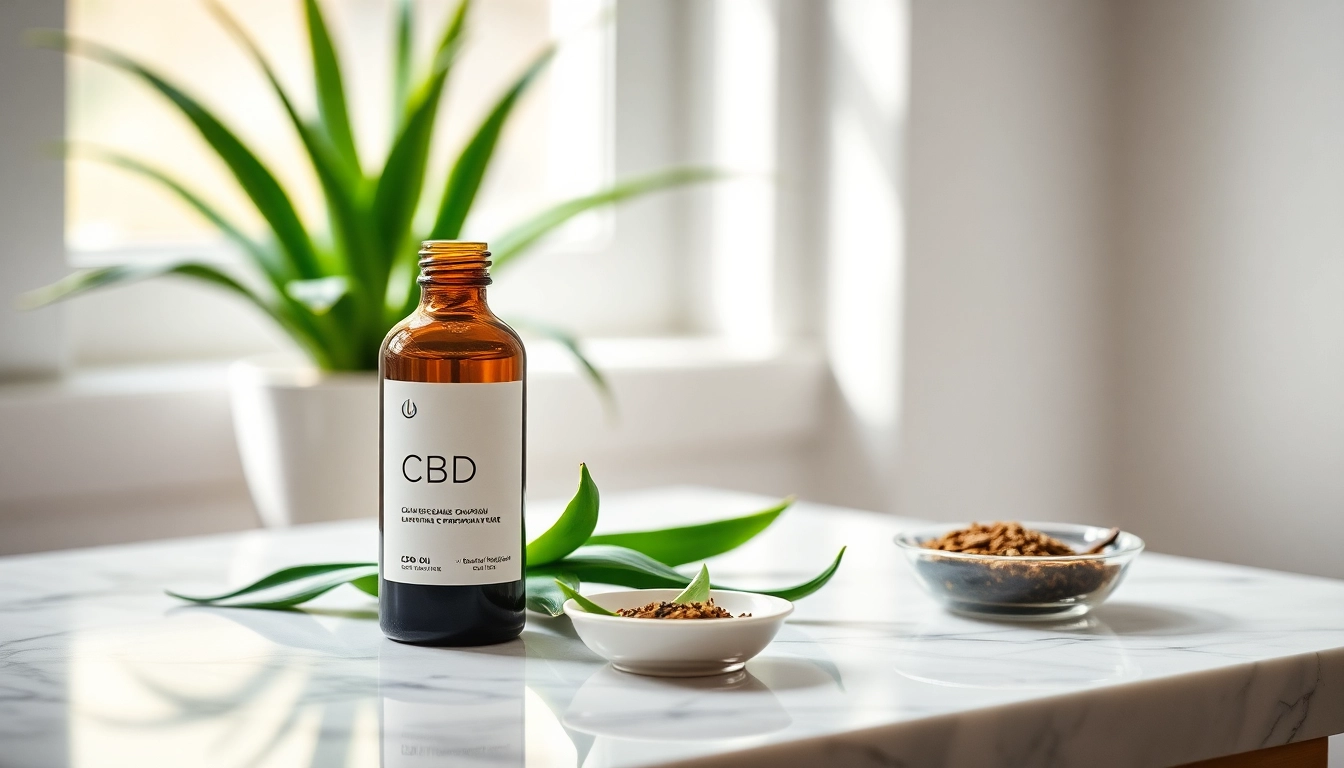
Understanding CBD Oil for Skin
What Is CBD Oil?
CBD oil, derived from the hemp plant, is a non-psychoactive compound known for its potential therapeutic benefits. Unlike THC, the psychoactive component of cannabis, CBD (cannabidiol) does not induce a "high." This characteristic makes CBD oil appealing for various applications, particularly in skincare. With rising interest in natural remedies, CBD oil has gained traction in the beauty industry due to its purported anti-inflammatory, antioxidant, and hydrating properties.
How CBD Oil Works for Skin Health
The skin is the largest organ of the body, and it possesses its own endocannabinoid system, which plays a vital role in maintaining homeostasis. By interacting with cannabinoid receptors in the skin, CBD oil can help regulate oil production, reduce inflammation, and promote skin barrier function. This interaction is essential in treating a variety of skin conditions, including acne, eczema, and psoriasis. Notably, studies suggest that CBD oil's anti-inflammatory effects may also aid in wound healing and skin repair processes.
Common Myths about CBD Oil for Skin
Despite its growing popularity, there are several misconceptions surrounding CBD oil. One common myth is that CBD can cause intoxication or a high. This is false as CBD is non-psychoactive. Additionally, some believe that all CBD products are created equal; however, the quality and extraction methods can significantly affect their effectiveness. It's essential to choose products that are third-party tested and clearly labeled for their CBD content.
Benefits of CBD Oil for Skin
Hydration and Moisture Retention
CBD oil is increasingly utilized in skincare products for its moisturizing properties. It is rich in fatty acids that support the skin's natural lipid barrier, thereby enhancing moisture retention. By preventing trans-epidermal water loss, CBD oil can help keep the skin hydrated and plump, making it an excellent choice for those with dry or dehydrated skin. Moreover, its emollient properties soothe flaky or irritated skin, leading to a smoother texture.
Anti-Inflammatory Properties
One of CBD oil’s most significant benefits is its anti-inflammatory effects. Research indicates that it can help reduce signs of inflammation, such as redness, puffiness, and discomfort. This characteristic can be particularly beneficial for individuals suffering from chronic skin conditions like eczema or rosacea. By modulating inflammatory responses, CBD oil may help in alleviating symptoms and providing a calming effect on the skin.
Potential in Treating Skin Conditions
CBD oil shows promise in treating various skin conditions, owing to its multi-faceted action. For acne-prone skin, CBD may help decrease sebum production—thus addressing one of the primary causes of acne outbreaks. Additionally, its antibacterial properties can combat the bacteria responsible for acne, further promoting clearer skin. Furthermore, studies suggest that CBD may assist in managing atopic dermatitis and psoriasis by mitigating inflammation and cell proliferation within affected areas.
How to Use CBD Oil for Skin
Application Methods
There are multiple ways to incorporate CBD oil into your skincare routine. It can be applied topically in the form of creams, balms, or serums, creating a direct effect on the skin. Additionally, many skincare brands blend CBD oil into facial washes and moisturizers, allowing for more comprehensive coverage. For those seeking systemic benefits, ingestible forms of CBD oil—such as tinctures or capsules—might also be considered as a complement to topical application.
Choosing the Right Products
When selecting CBD oil products for skin use, it's crucial to look for high-quality formulations. Prioritize products that specify the concentration of CBD and contain natural ingredients without harmful additives. Furthermore, researching brands that provide third-party lab results can offer reassurances about the product's purity and potency. Overall, products labeled as “full-spectrum” or “broad-spectrum” are often recommended, as they harness the full range of potential benefits from the hemp plant.
Dosage Recommendations
Determining the right amount of CBD oil for skin can vary based on individual needs and product formulations. As a general guideline, starting with a low concentration of CBD and gradually increasing as necessary can help individuals gauge their skin’s response. For topical applications, applying a small amount to affected areas and monitoring its effects is advisable. Additionally, consulting with a skincare professional can provide personalized guidance on dosage and application methods.
Potential Side Effects and Considerations
Allergic Reactions
While CBD oil is generally well-tolerated, some individuals may experience allergic reactions. Symptoms might include redness, itching, or swelling where the product has been applied. It’s recommended to conduct a patch test—applying a small amount on a discreet area first—to monitor for adverse reactions before broader application.
Interactions with Other Ingredients
CBD oil can interact with various other skincare ingredients, which may impact its effectiveness or cause irritation. It's vital to avoid products with conflicting ingredients or aggressive formulations when using CBD oil. For instance, combining CBD with potent acids or retinoids may lead to sensitivity. Therefore, reading product labels and consulting with a dermatologist can help avoid potential interactions.
Consulting with Professionals
Before integrating CBD oil into your skincare regimen, especially if you have existing skin conditions or are on other medications, consulting with a healthcare professional or dermatologist is advisable. They can provide insights tailored to your specific skin type and needs, ensuring safe and effective use of CBD oil for skin.
Future of CBD Oil in Skincare
Emerging Research and Trends
The future of CBD oil in the skincare industry appears promising, with ongoing research uncovering its myriad benefits. As scientists continue to explore its therapeutic properties, more robust clinical studies will likely emerge, confirming and elucidating its applications in dermatology. Additionally, consumer interest is spurring innovation, leading to the development of novel products featuring CBD’s unique benefits.
Consumer Awareness and Education
As consumers become more informed about the benefits of CBD oil for skin, the demand for clarity and transparency in product labeling will grow. Education concerning dosage, efficacy, and ingredient sourcing will empower consumers to make informed choices, fostering a more trusted market. Brands that prioritize consumer education will likely gain a competitive edge as the industry evolves.
Regulatory Landscape
The regulatory landscape for CBD products remains fluid, impacting how products are marketed and sold. As governments around the world reevaluate cannabis regulations, the skincare industry must adapt to new guidelines regarding product formulations and claims. Staying attuned to these changes can help consumers navigate the complexities of CBD oil's legality and application in skincare, ensuring safe and compliant use.