Understanding Feminised Cannabis Seeds
In the evolving landscape of cannabis cultivation, feminised seeds have gained immense popularity among growers, both novice and expert. By producing predominantly female plants, these seeds eliminate the uncertainty surrounding male plants, which do not produce the desired flowers. This article aims to delve into the essence of feminised cannabis seeds, exploring their advantages, genetic background, and the specific benefits they offer to cultivators. As you set out on your cannabis-growing journey, you might consider to explore feminised cannabis seeds that are designed to yield optimal results.
What are Feminised Cannabis Seeds?
Feminised cannabis seeds are bred to produce female plants, which are the primary source of cannabis flowers. Unlike regular seeds, which contain both male and female genetics, feminised seeds are engineered to eliminate the male chromosome, ensuring nearly a 99.9% likelihood of yielding female plants. This breeding technique allows growers to maximize their cultivation space by focusing only on plants that will produce consumable buds.
Advantages of Choosing Feminised Seeds
Choosing feminised seeds offers several benefits that enhance the growing experience:
- Higher Yields: With feminised seeds, growers can expect to produce more buds as every plant contributes to the ultimate harvest.
- Reduced Workload: The elimination of male plants means that growers do not need to spend time identifying and removing them.
- Improved Planning: Since feminised seeds produce predominantly female plants, planning grows becomes more straightforward, allowing for better management of space and resources.
Genetic Background and Breeding Techniques
The production of feminised cannabis seeds involves specific breeding techniques. Growers utilize a process known as hermaphroditism, wherein a female plant is induced to produce pollen, which is then used to fertilize another female plant. This method bypasses male pollen, ensuring that the seeds produced carry the genetic markers for female offspring.
Benefits of Exploring Feminised Cannabis Seeds
Increased Yield Potential
One of the most significant advantages of feminised seeds is their increased yield potential. Since nearly all plants will produce flowers, growers can optimize their cultivation efforts to focus on maximizing the quality and quantity of their harvest. This makes feminised seeds particularly attractive for both home gardeners and commercial growers.
Space Optimization in Growth
With the assurance that most seeds will result in female plants, cultivators can plan their garden layouts more effectively. This allows for better resource allocation, such as light and nutrients, significantly improving the efficiency of indoor and outdoor grow operations.
Enhanced THC and Terpene Profiles
Feminised cannabis seeds have been selectively bred for desirable traits, including THC potency and terpene profiles. Growers seeking robust flavors and aromas can find feminised options that cater specifically to these preferences, ensuring a product that is not only potent but also rich in sensory experience.
Choosing the Right Strains
Popular Feminised Strains for Indoor Growth
Several feminised strains are highly regarded for indoor cultivation due to their manageable size, robust growth patterns, and potent yields. Notable examples include:
- Royal Gorilla: Known for its high THC levels and sweet, earthy flavor.
- Pink Banana Runtz: A fruity strain that combines potency with exotic flavors.
- Grape Runtz: Featuring a unique grape-like aroma and a balanced high.
Strain Characteristics to Consider
When selecting feminised strains, consider the following characteristics:
- Flowering Time: Some strains flower faster than others, impacting overall grow cycles.
- Yield Size: Different strains produce varying amounts of buds, affecting your harvest.
- THC/CBD Ratios: Depending on desired effects, choosing strains with the right cannabinoid balance is crucial.
Adapting Strains to Your Growing Environment
Different strains thrive under varying conditions. For indoor growers, it's essential to consider light cycles, humidity levels, and temperature. Conversely, outdoor growers should evaluate their local climate conditions to choose strains that can naturally flourish.
Growing Techniques for Feminised Seeds
Indoor vs. Outdoor Cultivation
Both indoor and outdoor cultivation offers unique advantages. Indoor growing allows for year-round cultivation with complete control over environmental factors, while outdoor growing can harness natural sunlight and promote larger plants. Understanding the dynamics of each method is vital to maximizing growth potential.
Preparing Your Grow Space
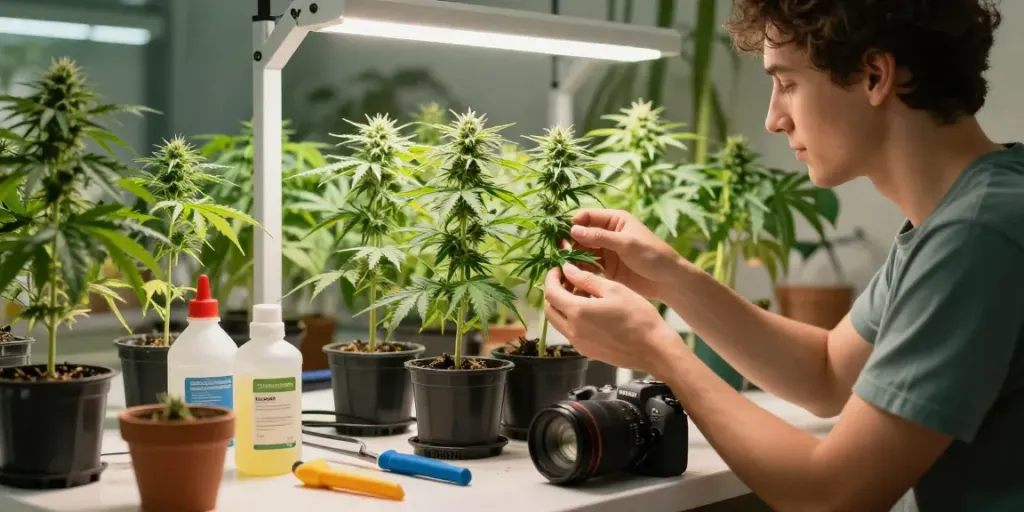
Regardless of the cultivation method, preparing your grow space is essential. Ensure proper ventilation, light distribution, and soil quality. Investing in quality nutrients can also significantly enhance plant health and productivity.
Optimal Nutrient and Watering Strategies
Feminised cannabis plants have specific nutrient and watering needs. A nutrient regime rich in nitrogen during the vegetative stage, followed by increased phosphorus and potassium during flowering, will support vigorous growth and high yields. Additionally, monitoring moisture levels is key—overwatering can lead to root rot, while underwatering may hinder growth.
Addressing Common Misconceptions
Feminised vs Regular Cannabis Seeds
Many novice growers confuse feminised seeds with regular seeds. The primary distinction lies in their genetic composition: regular seeds can produce both male and female plants, while feminised seeds are designed to produce predominantly female plants. Understanding these differences is crucial for effective cultivation.
Understanding Autoflowering Options
Autoflowering seeds are another popular choice among growers. These seeds flower automatically after a specific period, regardless of light cycles. While feminised seeds can be photoperiod or autoflowering, selecting the right type depends on your growing strategy and conditions.
Dispelling Myths in Feminised Seed Cultivation
Despite their popularity, several myths about feminised seeds persist. Some growers believe feminised seeds are less potent than regular seeds. However, potency is primarily determined by the strain and growing conditions, not the seed type itself.
What are the key factors for success in cultivating feminised cannabis seeds?
Success in growing feminised cannabis seeds revolves around several key factors, including strain selection, environmental control, nutrient management, and pest prevention. Educating oneself on these processes prepares growers for successful harvests.
How do feminised cannabis seeds improve grower efficiency?
By ensuring a high percentage of female plants, feminised seeds streamline the growing process. Growers can allocate time and resources more effectively, focusing on nurturing plants that will yield consumable products without the added challenge of identifying and culling male plants.
What are the common challenges faced when growing feminised cannabis seeds?
While feminised seeds present fewer challenges regarding plant sex identification, they can still be susceptible to issues like pests, diseases, and nutrient deficiencies. Understanding the vulnerabilities of the specific strains being cultivated is essential for successful outcomes.
Are feminised seeds as potent as regular seeds?
The potency of cannabis is influenced by the genetics of the strain rather than the seed type. Many feminised strains boast exceptional THC levels, making them equally potent as their regular counterparts when grown under optimal conditions.
What regulations should I consider before growing cannabis seeds?
Before growing cannabis seeds, it's vital to understand local regulations regarding cultivation. Some areas may have restrictions on the number of plants grown, licensing requirements, or legal age for purchase. Always ensure compliance with local laws to avoid legal issues.