
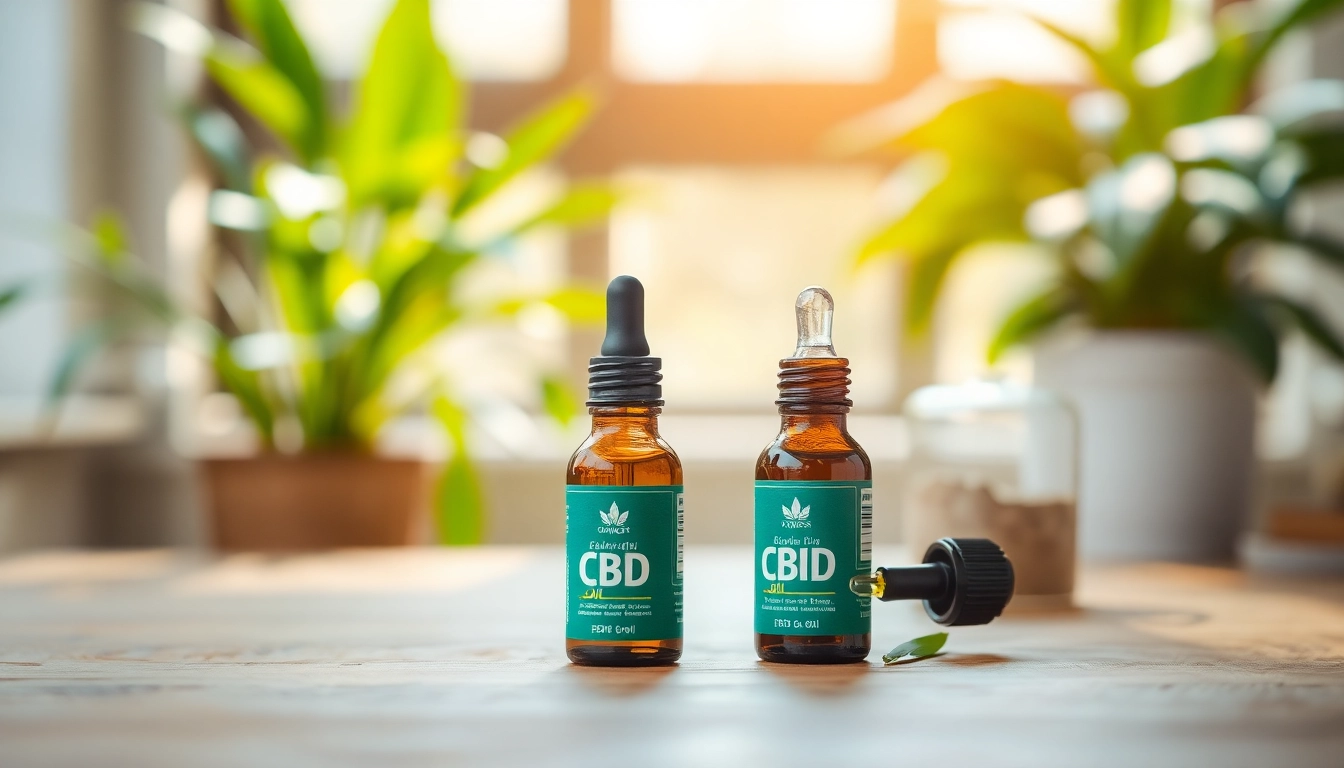
Understanding CBD Oil: A Comprehensive Overview
What is CBD Oil?
Cannabidiol (CBD) is a naturally occurring compound found in the hemp and cannabis plants. It is one of over 100 identified cannabinoids in these plants, yet it is distinct for its non-psychoactive properties. This means that unlike tetrahydrocannabinol (THC), CBD does not produce a “high.” Instead, CBD Oil has gained recognition for its potential therapeutic benefits, making it a popular choice for individuals seeking natural remedies. The CBD Oil market has rapidly expanded, with products ranging from oils to edibles, topical solutions, and more.
How is CBD Oil Made?
The extraction process of CBD Oil is crucial to maintaining its potency and integrity. There are several methods used to extract CBD from the hemp plant, with the most common being CO2 extraction. This technique utilizes pressurized carbon dioxide to pull CBD and other beneficial compounds from the plant materials without leaving harmful residues.
After extraction, the oil is often refined through a process called winterization, which removes excess fats and waxes. What remains is a rich formulation of CBD that can be further refined into full-spectrum, broad-spectrum, or isolate products, depending on the desired end product.
The Legality of CBD Oil
Understanding the legality of CBD Oil can be complex due to varying laws across different states and countries. In many regions, CBD derived from hemp is legal as long as it contains less than 0.3% THC. However, users must stay informed about local regulations, as they can impact the availability and legality of cannabis-derived products dramatically.
Health Benefits of CBD Oil: Scientific Insights
CBD Oil for Pain Relief
Many people have turned to CBD Oil for its reported pain-relieving properties. Research suggests that CBD may influence the body's endocannabinoid system, which plays a critical role in regulating pain, mood, and immune responses. Studies have shown that CBD Oil could help alleviate chronic pain and inflammation, making it a potential therapeutic option for conditions such as arthritis and fibromyalgia.
CBD Oil and Anxiety Management
Anxiety is a prevalent issue affecting millions globally, and anecdotal evidence supports CBD's potential as a natural anxiety reducer. Understanding how CBD interacts with serotonin receptors in the brain may illuminate its calming effects. Preliminary research indicates that CBD Oil may assist in reducing anxiety symptoms in social anxiety disorder and generalized anxiety disorder.
Other Potential Health Benefits of CBD Oil
Beyond pain relief and anxiety management, CBD Oil shows promise in various health applications. Studies have explored its potential benefits for conditions such as epilepsy, where products containing CBD have been approved for treating certain types of epilepsy in children. Additionally, CBD has been linked to potential neuroprotective effects, anti-inflammatory properties, and even contributions to heart health.
How to Use CBD Oil Effectively
Recommended Dosage of CBD Oil
Determining the correct dosage of CBD Oil is crucial for achieving desired effects. Factors such as body weight, metabolic rate, and the severity of symptoms vary from individual to individual. General advice suggests starting with a low dose (e.g., 5-10 mg) and gradually increasing it until the desired effects are achieved, but individuals should consult with healthcare professionals for personalized guidance.
Various Consumption Methods for CBD Oil
Cannabidiol can be consumed in several forms, including:
- Oils and Tinctures: These are the most direct methods for CBD consumption and offer quick absorption through the mucous membranes.
- Edibles: CBD-infused food products deliver a longer-lasting effect as they are metabolized through the digestive system.
- Topical Applications: Creams and lotions are beneficial for localized relief from pain or irritations.
- Vaping: Although controversial, this method allows for rapid absorption into the bloodstream.
Safety Considerations When Using CBD Oil
While many users experience positive effects, it is essential to understand potential side effects. Commonly reported issues include fatigue, dry mouth, diarrhea, and changes in appetite. It's advisable for individuals, especially those taking other medications, to consult with a healthcare provider before starting CBD. Additionally, users should ensure they purchase products from reputable sources to avoid contaminated or mislabeled products.
Finding Quality CBD Oil: What to Look For
Understanding CBD Oil Labels and Ingredients
When selecting CBD Oil, understanding the label is key. Look for specific details such as the concentration of CBD per serving, ingredient lists that disclose all active and inactive constituents, and whether the product is full-spectrum, broad-spectrum, or isolate. The term 'full-spectrum' indicates a blend of all cannabinoids, including THC, while 'broad-spectrum' contains most cannabinoids except for THC, and 'isolate' comprises pure CBD only.
Importance of Third-Party Testing for CBD Oil
Reputable brands will engage in third-party testing to assure consumers of their product quality. Certificates of Analysis (COA) from independent laboratories provide insights into cannabinoid content, possible contaminants, and overall quality assurance. Consumers should always seek products with verifiable COAs to ensure they are purchasing safe and effective CBD Oil.
Comparing Full Spectrum, Broad Spectrum, and Isolate CBD Oil
Deciding between full spectrum, broad spectrum, and isolate can influence the effectiveness of CBD products for various needs. Full-spectrum products offer the entourage effect, where cannabinoids work synergistically for enhanced therapeutic benefits. Broad-spectrum provides similar benefits without THC, while isolate offers pure CBD, which might be a suitable choice for those avoiding THC altogether.
The Future of CBD Oil: Trends and Market Insights
Emerging Research on CBD Oil
Ongoing research into CBD continues to uncover its potential applications across various fields. Recent studies are exploring its role in treating neurodegenerative diseases, mitigating symptoms of PTSD, and even its potential anti-cancer properties. This research lays the groundwork for understanding how CBD might be utilized in clinical settings further.
Market Trends and Consumer Preferences for CBD Oil
The CBD Oil market is projected to continue growing, with consumers seeking more natural health solutions. Trends indicate an increasing preference for organic and sustainably sourced products. Moreover, an expansion of distribution channels, including online sales and health stores, is making CBD products more accessible to consumers.
Regulatory Changes Affecting CBD Oil
As the popularity of CBD Oil rises, regulatory frameworks are evolving to accommodate its growing presence in the wellness market. Future regulations may influence how products are marketed, tested, and sold, affecting everything from product labeling to health claims. Keeping abreast of these changes is vital for consumers and manufacturers alike.
The multifaceted nature of CBD Oil represents a confluence of natural remedy exploration, scientific inquiry, and evolving consumer needs. As research unfolds and market dynamics shift, individuals seeking health benefits from CBD will continue to demand transparency, quality, and efficacy in the products they choose.