Understanding CBD-rich Cannabis Genetics
CBD-rich cannabis genetics have gained significant attention in recent years due to their therapeutic potential and growing popularity among medical and recreational users. Unlike traditional cannabis strains, which are often bred for high THC content, CBD-rich varieties focus on delivering the benefits of cannabidiol (CBD) while maintaining low levels of tetrahydrocannabinol (THC). These genetics are essential for growers looking for high-quality strains with a balanced cannabinoid profile that offers therapeutic effects without the psychoactive side effects associated with THC. When exploring options, CBD-rich cannabis genetics provide comprehensive insights that can aid in making informed choices about which strains to cultivate.
What Defines CBD-rich Cannabis Seeds?
CBD-rich cannabis seeds are specifically bred to produce plants with higher concentrations of CBD compared to THC. These seeds are derived from carefully selected parent plants that exhibit favorable cannabinoid profiles. Breeders often create hybrids that combine various strains to enhance the desirable traits of each parent, particularly those associated with high CBD content. Depending on the strain, the CBD levels can range from moderate to exceptionally high, while THC levels are typically kept below 0.3% to comply with legal standards and to minimize psychoactive effects.
The Genetic Composition of CBD-forward Strains
The genetic composition of CBD-rich strains is a critical factor in determining the plant's overall cannabinoid profile. The cannabinoid-synthase genetics of a plant dictate the types and ratios of cannabinoids it can produce. Through selective breeding, cultivators can stabilize the desired traits over generations, resulting in seeds that reliably produce plants with consistent cannabinoid profiles. This process involves understanding the heritability of specific chemotypes, which directly influence the plant's chemical makeup.
Legal Considerations for CBD Cultivation
Before starting any CBD cultivation, it's crucial to understand the legal landscape surrounding cannabis in your area. Laws vary widely between states and countries, affecting the legality of growing CBD-rich cannabis seeds. Cultivators must ensure that they comply with local regulations regarding THC levels, licensing, and cultivation practices. Failing to adhere to these laws can lead to legal repercussions and loss of investment, making it essential for growers to stay updated on their jurisdiction's legislation.
Choosing the Right CBD Strains for Your Grow
Selecting the appropriate CBD strain for cultivation involves several considerations, including the growing environment, desired cannabinoid profile, and intended use. With a myriad of options available, growers can find strains tailored to their specific needs, whether for personal use, medicinal purposes, or commercial production.
Indoor vs. Outdoor Growing Conditions
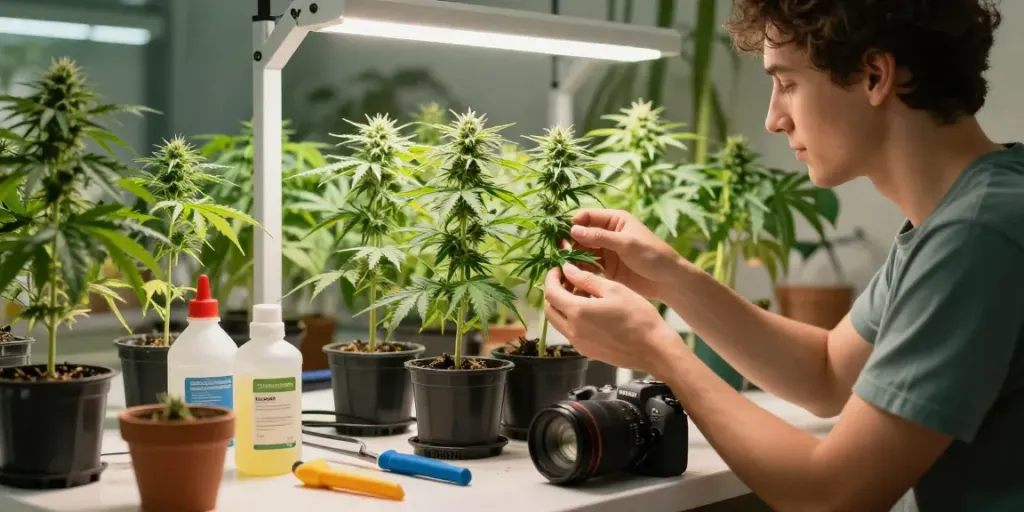
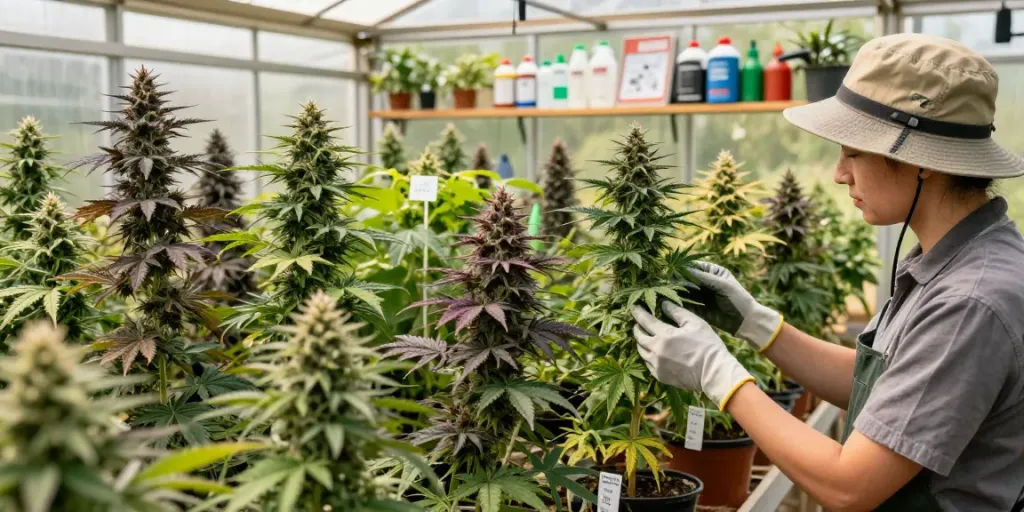
When determining the best environment for growing CBD-rich cannabis, growers must consider the differences between indoor and outdoor cultivation. Indoor growing offers greater control over environmental factors such as light, temperature, and humidity, which can lead to consistent results and year-round production. However, outdoor growing can take advantage of natural sunlight and typically results in larger yields. Each method has its pros and cons, and the choice often depends on the grower’s resources and goals.
Identifying Optimal CBD-rich Strains
Not all CBD-rich cannabis strains are created equal. Some are bred specifically for high CBD content, while others may offer balanced THC to CBD ratios. Identifying which strains are optimal for your growing conditions and desired outcomes involves researching various cultivars, looking into breeder provenance, and assessing cannabinoid and terpene profiles. Popular high-CBD strains include ACDC, Harle-Tsu, and Cannatonic, each known for their unique flavors and effects.
Breeder Provenance and Quality Assurance
The reputation and history of seed breeders play a critical role in the quality of CBD-rich cannabis genetics. Established breeders with a proven track record in cannabis cultivation utilize advanced breeding techniques to create stable, high-quality seeds. When selecting seeds, it is advisable to choose reputable breeders who provide testing results for their products, ensuring that the seeds meet the desired standards for cannabinoid content and overall plant health.
Breeding Techniques for CBD-rich Cannabis
The methods employed in breeding CBD-rich cannabis genetics are pivotal to achieving desired cannabinoid characteristics. Breeders use various techniques to enhance CBD content while controlling THC levels, leading to the creation of stable and reliable strains.
Feminized vs. Regular Seeds: What to Choose?
When selecting seeds for cultivation, growers can choose between feminized and regular seeds. Feminized seeds are engineered to produce only female plants, which are the ones that produce flowers rich in cannabinoids. In contrast, regular seeds can result in both male and female plants, with males typically being discarded in commercial operations. For growers focused on maximizing yields of medicinal flowers, feminized seeds are often the better choice.
Stabilizing Traits in CBD Genetics
Stabilization of specific traits within CBD genetics involves meticulous breeding practices to ensure consistency in cannabinoid profiles across generations. This process can take several years and involves selecting parent plants with desirable characteristics, crossing them, and then backcrossing the offspring to reinforce those traits. Growers should look for stabilized strains to produce plants that consistently exhibit high CBD levels and low THC content.
Environmental Factors Affecting Cannabinoid Profiles
The environmental conditions under which cannabis is grown can significantly impact its cannabinoid profiles. Factors such as light exposure, temperature, nutrient availability, and even soil composition can influence how a plant expresses its genetic potential. For instance, higher light intensity often correlates with increased cannabinoid production, emphasizing the importance of optimizing growing conditions for desired outcomes.
Comparing CBD and THC-rich Strains
Cannabis strains can be broadly categorized into those high in CBD and those high in THC, with each offering unique benefits and potential drawbacks. Understanding these differences can help growers and users make informed choices.
The Benefits of CBD vs. THC
CBD and THC serve different purposes when it comes to cannabis use. While THC is primarily associated with psychoactive effects and euphoria, CBD is known for its therapeutic properties, such as anxiety relief, anti-inflammatory effects, and potential neuroprotective benefits. Many users seek out CBD-rich strains to enjoy the health benefits without the intoxicating side effects associated with high THC strains.
Understanding Ratios: 1:1 and Beyond
Certain cultivars offer balanced ratios of CBD to THC, such as 1:1 strains. These hybrids provide a combination of effects from both cannabinoids and are often favored by users seeking therapeutic benefits without the strong psychoactive effects of high-THC strains. Understanding these ratios can guide growers to select the best genetic options for their needs.
Applications of CBD-rich Genetics in Medicine
CBD-rich cannabis strains have shown great promise in various medical applications, from alleviating chronic pain and reducing anxiety to aiding in the treatment of conditions like epilepsy. Continued research into these genetics helps enhance understanding of their therapeutic potential, solidifying CBD's place in the medical cannabis landscape.
Future Trends in CBD Cannabis Cultivation
The future of CBD-rich cannabis cultivation is likely to be shaped by advancements in breeding techniques, regulatory changes, and evolving consumer preferences.
Emerging Breeding Techniques and Technologies
As the cannabis industry grows, innovative breeding techniques are emerging, such as gene editing and tissue culture propagation. These advancements allow breeders to create high-quality, disease-resistant strains more efficiently, ensuring that growers have access to the best genetics for CBD cultivation.
Predictions for the Cannabinoid Market by 2026
Market predictions indicate an accelerated growth trajectory for CBD-rich products over the next few years. As consumer awareness of the benefits of CBD increases, so too does the demand for high-quality strains. By 2026, the cannabinoid market is expected to include a broader range of products, catering to diverse consumer preferences and applications.
Consumer Preferences and Legal Changes
Shifting consumer preferences towards natural and plant-based products are likely to drive the popularity of CBD-rich cannabis. Simultaneously, changes in local and federal laws regarding cannabis cultivation and consumption will create new opportunities for growers and businesses within the industry. Staying informed about these developments is crucial for maintaining competitiveness in the evolving landscape.
What Are the Effects of CBD-rich Cannabis on Health?
The health effects of CBD-rich cannabis continue to be a significant area of research. Studies have indicated that CBD may offer various health benefits, from reducing inflammation and pain to alleviating anxiety and depression symptoms. Nonetheless, individual experiences can vary, highlighting the importance of further research to validate these claims and refine the understanding of CBD's therapeutic applications.
How Can Beginners Start Growing CBD-rich Cannabis?
For individuals new to cannabis cultivation, starting with CBD-rich seeds is often a great choice. Beginners should educate themselves about the growing process, select suitable strains, and ensure they have the proper equipment and knowledge for successful cultivation. Online communities and resources can provide valuable insights and support throughout the growing journey.
What Are the Best Practices for CBD Seed Germination?
Germinating CBD seeds involves creating optimal conditions for seed sprouting. Best practices include soaking seeds in water for 24 hours, placing them in a damp paper towel, and maintaining a warm environment. Once sprouted, seeds should be transferred to soil or another growing medium to ensure healthy seedling growth. Following these practices can help maximize germination success rates and lead to vigorous plant development.